Green Philodendron: A Comprehensive Guide to This Stunning Houseplant
If you're a plant lover, you must have heard of the green philodendron. It's one of the most popular houseplants among indoor growers and gardeners. Green philodendron is an evergreen tropical plant that belongs to the arum family. With its stunning lush foliage and hardy nature, it's no surprise why it's so well-loved.
In this blog post, we'll cover everything you need to know about the green philodendron. We'll discuss its origins, growth habits, care requirements, and much more. So, let's dive in!
Origins of the Green Philodendron
The green philodendron originates from the tropical rainforests of South America. It's found in countries like Brazil, Ecuador, and Colombia, where it grows as an understory plant. There are over 200 species of philodendrons, with the green philodendron being one of the most common.
Growth Habits of the Green Philodendron
The green philodendron is a climbing plant that can grow up to 6 feet tall indoors. It has large, heart-shaped leaves that come in various shades of green. The leaves can grow as wide as 3 feet, making it an impressive plant to have in your home. As a climbing plant, it requires support to grow upright. You can provide support by using a moss pole or trellis.
Lighting Requirements for the Green Philodendron
The green philodendron prefers bright, indirect light. Direct sunlight can damage its leaves and cause them to turn yellow. If you're growing it indoors, place it near a window that receives filtered sunlight. You can also use artificial lights if natural light isn't sufficient.
Watering the Green Philodendron
The green philodendron requires regular watering to keep its soil moist. However, overwatering can lead to root rot, which is one of the most common problems with this plant. To avoid this, water the plant when the top inch of soil is dry. Make sure the pot has drainage holes to prevent water from accumulating in the soil.
Soil Requirements for the Green Philodendron
The green philodendron grows best in well-draining soil that's rich in organic matter. You can use a mix of peat moss, perlite, and vermiculite to create a suitable soil mix. It's also important to ensure the soil is not too compact as it needs good air circulation.
Fertilizing the Green Philodendron
The green philodendron benefits from regular fertilization during the growing season. You can use an all-purpose fertilizer diluted to half strength every two weeks. Avoid fertilizing during the winter months when the plant is dormant.
Propagating the Green Philodendron
You can propagate the green philodendron using stem cuttings or by dividing the plant. To propagate using stem cuttings, take a cutting that's at least 6 inches long, remove the lower leaves, and place it in water or moist soil. Keep the cutting in a warm, humid place until roots form. To divide the plant, gently separate the stems and roots and replant them in fresh soil.
Common Problems with the Green Philodendron
While the green philodendron is a hardy plant, it's susceptible to some problems. The most common issue is root rot, which occurs due to overwatering. Other problems include yellowing leaves, pests like spider mites, and fungal infections. To avoid these problems, ensure the plant receives adequate light and water.
Benefits of Growing the Green Philodendron
The green philodendron is not just a stunning houseplant; it also has several benefits. It's an excellent air purifier, removing harmful toxins from the air. It can also boost your mood and reduce stress levels, making it an ideal plant to have in your home or office.
Varieties of the Green Philodendron
There are several varieties of the green philodendron, each with its unique characteristics. The most common ones include:
- Heartleaf philodendron: Has smaller leaves and grows as a trailing plant.
- Xanadu philodendron: Has lobed leaves and a bushy growth habit.
- Congo Rojo philodendron: Has reddish stems and leaves that turn dark green as they mature.
- Hope philodendron: Has large, glossy leaves that resemble those of the split-leaf philodendron.
The green philodendron is a stunning and versatile houseplant that's easy to care for. With its lush foliage and air-purifying benefits, it's a must-have for any indoor gardener. By following the tips outlined in this guide, you can ensure your green philodendron thrives and adds beauty to your home.
Frequently Asked Questions
Q1. How often should I water my green philodendron?
A1. You should water your green philodendron when the top inch of soil is dry. Overwatering can lead to root rot, so make sure the pot has drainage holes to prevent water accumulation.
Q2. Can I grow my green philodendron in low light conditions?
A2. While the green philodendron prefers bright, indirect light, it can tolerate low light conditions. However, it may not grow as well or produce as many leaves.
Q3. How often should I fertilize my green philodendron?
A3. You should fertilize your green philodendron every two weeks during the growing season using an all-purpose fertilizer diluted to half strength.
Q4. Can I propagate my green philodendron in water?
A4. Yes, you can propagate your green philodendron using stem cuttings in water. Once roots form, transfer the cutting to moist soil.
Q5. Does the green philodendron require pruning?
A5. The green philodendron doesn't require regular pruning, but you can trim off any yellow or damaged leaves to encourage healthy growth.
Q6. Is the green philodendron toxic to pets?
A6. Yes, the green philodendron is toxic to pets if ingested. Keep it out of reach of cats and dogs.
Q7. Should I mist my green philodendron?
A7. While the green philodendron benefits from high humidity, misting may not be enough to provide adequate moisture. It's best to use a humidifier or place a tray of water near the plant to increase humidity levels.
Q8. How do I support my climbing green philodendron?
A8. You can provide support for your climbing green philodendron by using a moss pole or trellis. As the plant grows, gently tie the stems to the support to keep them upright.
Q9. What pests are common on green philodendrons?
A9. Spider mites, mealybugs, and scale insects are common pests that infest green philodendrons. You can control them using insecticidal soap or neem oil.
Q10. Can I grow green philodendron outdoors?
A10. Green philodendrons are tropical plants and can only be grown outdoors in warm, humid climates. In cooler climates, they're best grown indoors.
12 Green philodendron Images

XL Philodendron McDowell Plant In 6 Pot Plants Philodendron
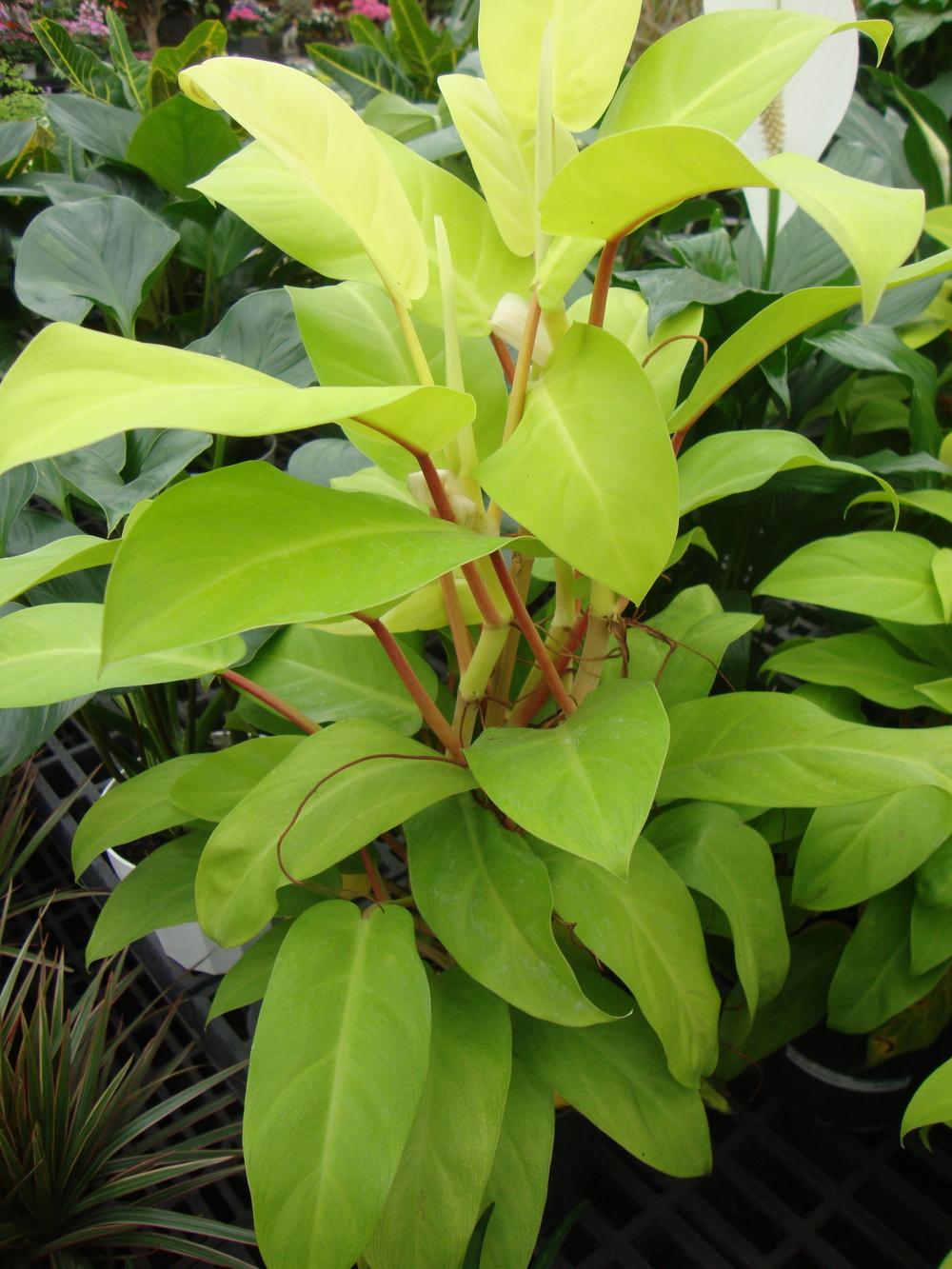
Pin On Philodendrons

Philodendron Cordatum 8 Plants Philodendron Hanging Plants

Philodendron Green Thumb Philodendron Plants

Philodendron Green Plants Philodendron Low Light Plants

Green Philodendron Easy Care Elegant Houseplant American Plant

Philodendron With Darkgreen And Large Leaves Plants Plant Care

Pin On Gardening

Philodendron Florida Green Plantipolo Philodendron Plant

Philodendron Philodendron Imperial Green D 19 Cm Philodendron

Philodendron Squamipetiolatum NSE Tropicals Philodendron Plant

PlantFiles Pictures Philodendron Species Velvet Leaf Philodendron
Post a Comment for "Green Philodendron: A Comprehensive Guide to This Stunning Houseplant"